
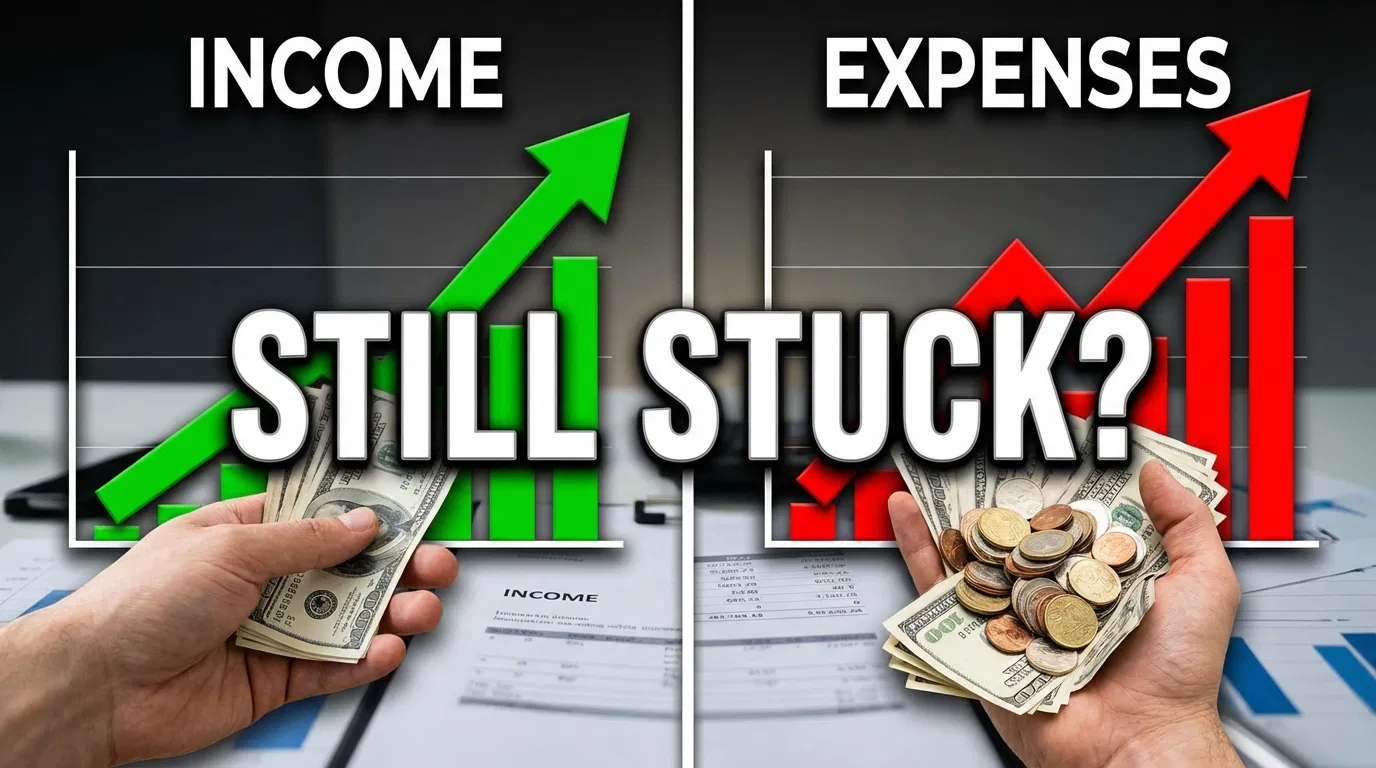
For many people, the idea of financial success seems simple.
Earn more money, and life will automatically improve.
At first glance, this logic makes sense. Higher income should create more comfort, more stability, and more freedom.
But in reality, this is not always what happens.
There are countless individuals who manage to increase their income over time, yet they continue to feel financially stuck. Their expenses rise, their savings remain limited, and their long-term financial situation does not improve in a meaningful way.
So what is really going wrong?
The Illusion of Progress
When income increases, it creates a sense of progress.
People feel like they are moving forward.
And in many ways, they are.
But this progress often comes with a hidden cost.
As income grows, expectations grow as well.
People begin to upgrade their lifestyle — sometimes consciously, sometimes without even realizing it.
Understanding Lifestyle Inflation
This phenomenon is known as lifestyle inflation.
It happens when increased earnings lead to increased spending.
For example:
- A higher salary may lead to a better car
- A promotion may lead to a more expensive home
- Extra income may lead to more frequent spending
At first, these changes feel justified.
After all, people want to enjoy the rewards of their hard work.
But over time, these decisions create a pattern.
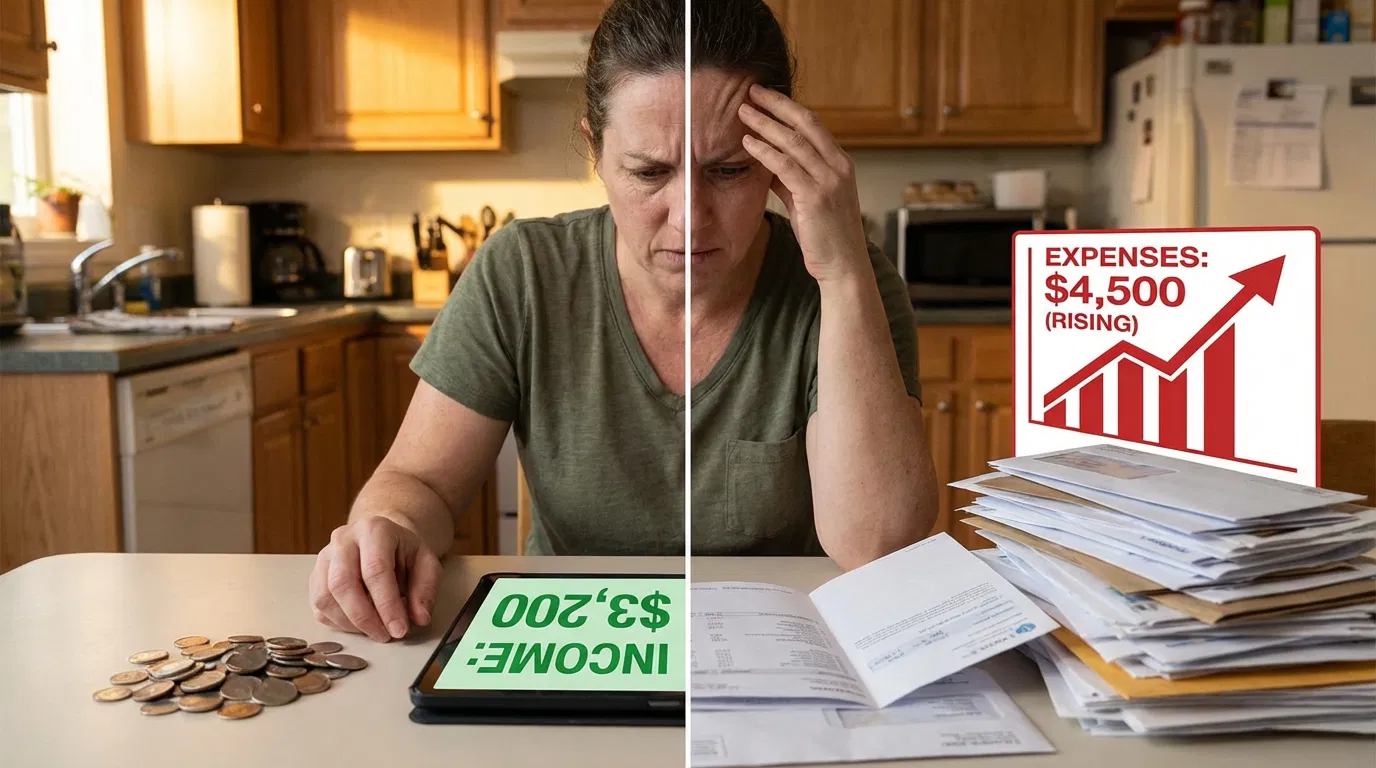
Expenses begin to match — or even exceed — income growth.
Why This Creates a Financial Trap
The problem with lifestyle inflation is not the spending itself.
The problem is the lack of control.
When expenses rise automatically with income, there is no space left for wealth building.
Savings remain low.
Investments remain inconsistent.
And financial stability becomes fragile.
The Difference Between Income and Wealth
One of the biggest misunderstandings in personal finance is the belief that income equals wealth.
In reality, they are very different.
Income is what you earn.
Wealth is what you keep and grow.
A person earning a high salary can still have very little wealth if their spending habits are not controlled.
On the other hand, someone with a moderate income can build significant wealth through discipline and consistency.
The Role of Financial Awareness
Another major factor is awareness.
Many people do not track their expenses.
They do not analyze where their money is going.
As a result, they lose control over their financial decisions.
Without awareness, it becomes difficult to identify problems — and even harder to fix them.
The Long-Term Impact
Over time, these patterns create long-term consequences.
People find themselves:
- Living paycheck to paycheck
- Struggling to save
- Feeling constant financial pressure
Even though their income has increased.
Breaking the Cycle
The solution does not necessarily require earning more money.
It requires changing behavior.
People who successfully build wealth tend to:
- Control their spending
- Prioritize saving and investing
- Avoid unnecessary lifestyle upgrades
These habits may seem simple, but they create powerful results over time.
Final Thought
Earning more money can improve your life.
But it does not guarantee financial freedom.
Real progress comes from how you manage money — not just how much you make.
Because without control, even a higher income can lead to the same financial struggles.