

Across the United States, a gradual but noticeable change is taking place in the way people handle their everyday finances. While it may not always be visible at first glance, many individuals and families are beginning to rethink their spending habits as living costs continue to rise in 2026.
Over the past year, the prices of everyday essentials such as groceries, transportation, and household items have shown steady increases. Although each price rise may appear small on its own, the combined effect over time has become more significant. For many households, this has resulted in higher monthly expenses and tighter budgets.
As a response, people are becoming more aware of how they spend their money. Instead of making quick purchasing decisions, many are now taking a more thoughtful approach. Planning purchases in advance, comparing prices across different stores, and focusing only on essential items have become common practices.
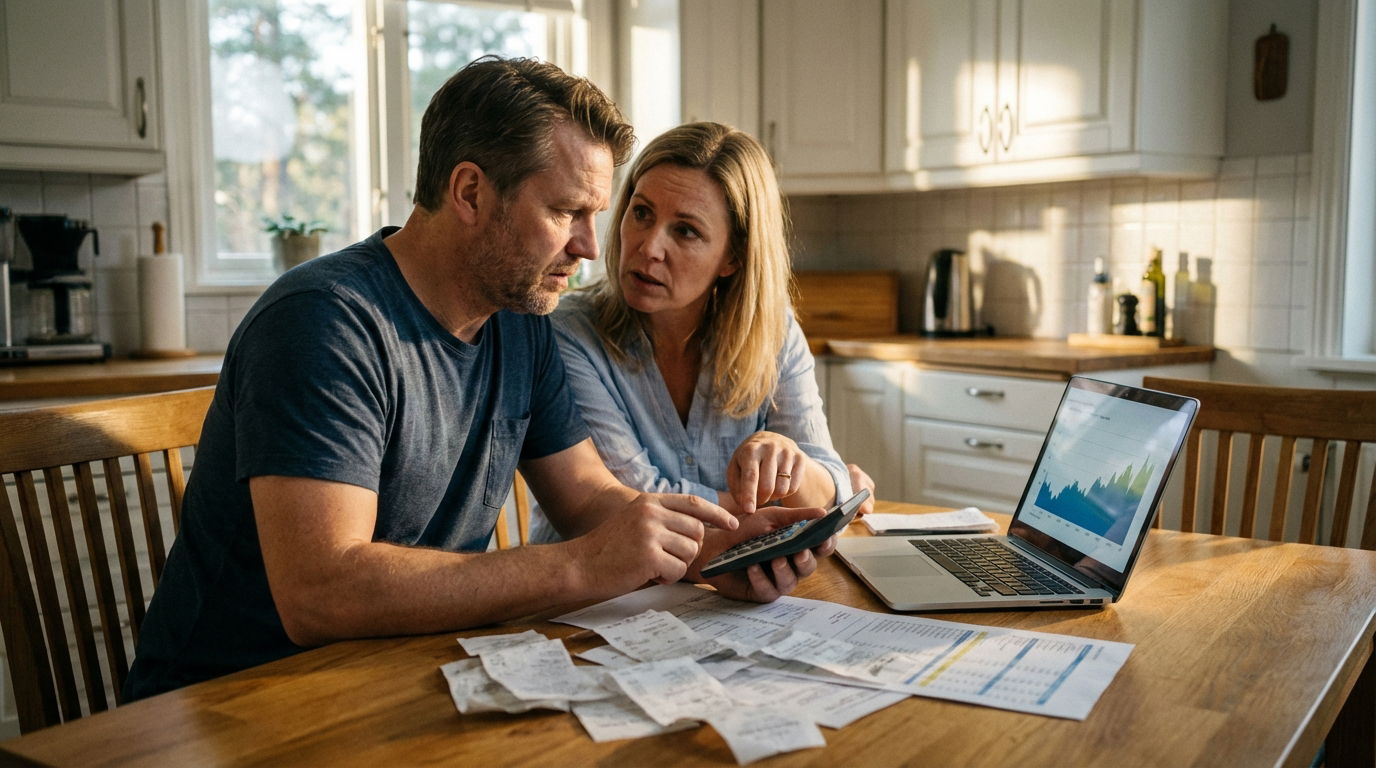
This shift is not driven by panic, but rather by awareness. Many individuals first noticed the change when they began reviewing their bank statements or tracking their monthly expenses. Seeing where their money was going helped them identify patterns and areas where they could make adjustments.

One of the most common areas where people are making changes is subscription services. In recent years, the number of paid digital services has increased significantly. From streaming platforms to mobile applications, many users have signed up for multiple subscriptions over time.
However, a growing number of people are now realizing that they are paying for services they rarely use. By reviewing and canceling unnecessary subscriptions, individuals have been able to reduce their monthly expenses without affecting their daily lives. This simple step has proven to be one of the most effective ways to save money.
Another important habit that is gaining attention is expense tracking. Financial experts often emphasize the importance of knowing exactly where money is being spent. By keeping a record of daily or weekly expenses, people can better understand their financial behavior.
This awareness allows individuals to identify unnecessary spending and make more informed decisions. Over time, even small adjustments can lead to significant savings.
Social media has also played a role in spreading awareness about these changes. People are openly sharing their experiences, tips, and strategies for managing money more effectively. These conversations have created a sense of community, where individuals can learn from each other and find practical solutions.
Another noticeable trend is the shift toward prioritizing needs over wants. While this concept is not new, it is becoming more relevant in today’s economic environment. People are focusing more on essential expenses and reducing spending on non-essential items.
This does not necessarily mean giving up comfort or enjoyment. Instead, it reflects a more balanced approach to spending, where individuals make conscious choices about how they use their money.
Interestingly, this change is being observed across different age groups and income levels. Young professionals, families, and even retirees are adopting similar strategies to manage their finances more effectively.
Experts believe that this trend could continue as long as living costs remain high. However, they also point out that these habits can have long-term benefits beyond the current situation.
Developing better financial habits not only helps in managing present expenses but also prepares individuals for future challenges. It encourages discipline, awareness, and a sense of control over one’s financial situation.
In the end, this shift highlights an important lesson — managing money effectively is not just about earning more, but about making smarter decisions with what you already have.
For many people, this realization has become a turning point. What started as a response to rising costs is now evolving into a more mindful and sustainable approach to everyday life.